
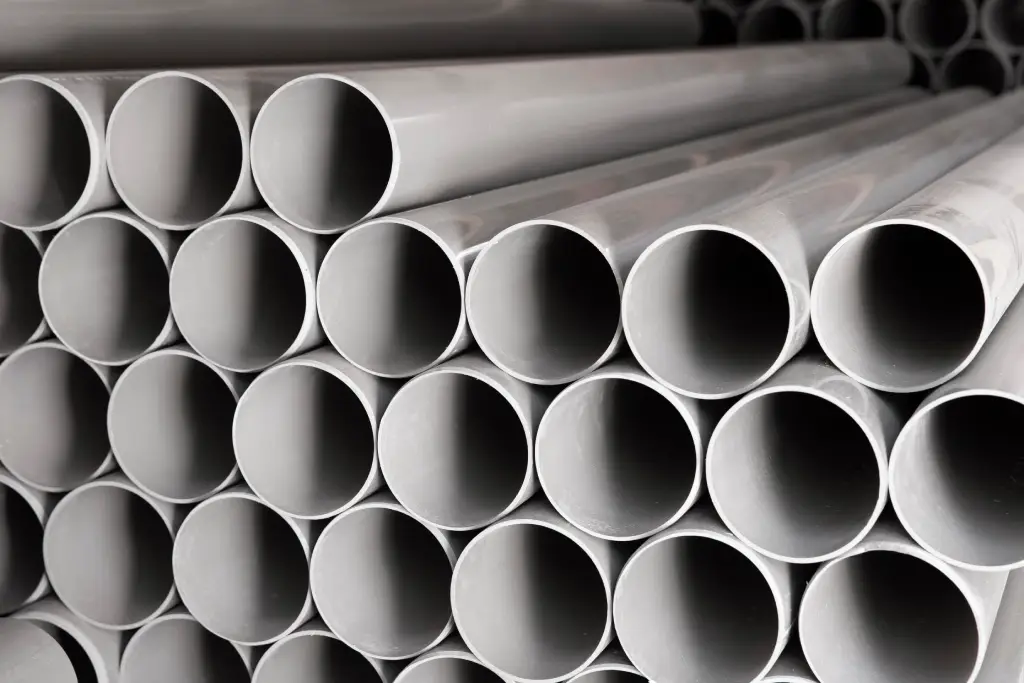
⭐ Quick Answer: UPVC vs CPVC for Industrial Plants
Both are thermoplastic piping solutions — but they are not interchangeable. The right choice depends primarily on operating temperature and chemical exposure.
Temperature below 45°C, cold water/drainage, outdoor UV exposure, budget is primary concern
Temperature 50–93°C, aggressive chemicals, pharma/food/chemical plants, high-reliability needed
Table of Contents
- What is UPVC Pipe? Properties & Applications
- What is CPVC Pipe? Properties & Applications
- UPVC vs CPVC — Detailed Comparison (2026)
- Key Differences Explained
- Which Pipe Should You Choose?
- Indian Standards & Quality Tips
- Best Practices for Industrial Pipe Selection
- FAQs — 6 Common Questions Answered
- Conclusion & Next Step
1. What is UPVC Pipe?
UPVC stands for Unplasticized Polyvinyl Chloride, also commonly known as rigid PVC. It is manufactured without adding plasticizers, resulting in a strong, rigid, and durable pipe with excellent dimensional stability.
Key Properties of UPVC Pipes
- Excellent UV resistance — suitable for outdoor installations
- Lightweight and easy to handle, cut, and install
- Good corrosion resistance for cold fluids and mild chemicals
- Cost-effective — typically 35–60% cheaper than CPVC
- Self-extinguishing — does not support combustion
- Smooth bore reduces friction losses and scaling
Common Industrial Applications in India
- Water treatment and effluent treatment plants (ETP/STP)
- Cooling tower water circulation
- Drainage and sewerage systems
- Underground water supply lines
- Irrigation and agricultural projects
2. What is CPVC Pipe?
CPVC stands for Chlorinated Polyvinyl Chloride. It is produced by chlorinating PVC resin, which significantly improves its temperature resistance and chemical compatibility compared to standard UPVC.
Key Properties of CPVC Pipes
- High-temperature resistance — continuous service up to 93°C
- Superior chemical and corrosion resistance (acids, alkalis, salts)
- Excellent pressure-bearing capacity at elevated temperatures
- Better flame and smoke performance than UPVC
- Widely accepted in critical process applications and regulated industries
Common Industrial Applications in India
- Pharmaceutical manufacturing plants (hot sanitization lines)
- chemical processing and fertilizer industries
- Hot water circulation systems
- Food & beverage processing
- Power plants, refineries, and steel plants
- Demineralized (DM) water lines
Need expert help choosing the right pipes for your plant?
Our industrial piping specialists have helped 180+ plants across India select the most suitable, safe, and cost-effective piping materials. Get your free technical recommendation in under 2 hours.
3. UPVC vs CPVC Pipes — Detailed Comparison (2026)
Here is a clear, data-driven comparison to help you choose the right pipe for your industrial plant:
| Parameter | UPVC Pipes | CPVC Pipes | Winner |
|---|---|---|---|
| Maximum Temperature | 60°C (Recommended ≤ 45°C) | 93°C (Continuous) | CPVC |
| Pressure Rating | Good at low temperature | Excellent at high temperature | CPVC |
| Chemical Resistance | Good (mild chemicals) | Excellent (acids, alkalis, salts) | CPVC |
| Cost per Meter (2" pipe) | ₹180 – ₹240 | ₹280 – ₹380 | UPVC |
| UV Resistance | Excellent — ideal outdoors | Moderate — use indoors/protected | UPVC |
| Fire Resistance | Self-extinguishing | Better flame & smoke performance | CPVC |
| Weight | Very lightweight | Slightly heavier | UPVC |
| Lifespan | 25–50 years | 25–50 years | Tie |
| Installation | Easy — widely available fittings | Slightly more care needed at joints | UPVC |
| Indian Standards | IS 14735 | IS 15778 / ASTM D2846 | Both covered |
4. Key Differences Explained
1. Temperature Resistance — The Most Critical Factor
Temperature resistance is the biggest single difference between UPVC vs CPVC pipes in India. UPVC starts losing mechanical strength rapidly above 50°C, whereas CPVC maintains excellent performance even at 80–85°C continuously.
2. Chemical and Corrosion Resistance
CPVC offers superior resistance to aggressive acids, alkalis, and corrosive chemicals commonly used in Indian chemical and pharmaceutical industries. UPVC is suitable only for mild chemicals and cold effluent lines. If your process handles anything beyond clean water or very dilute chemicals, a chemical compatibility check is mandatory before specifying UPVC.
3. Cost Comparison in the Indian Market (2026)
UPVC pipes are approximately 35–60% cheaper than CPVC on initial material cost. However, CPVC often delivers far better long-term value in critical applications due to reduced maintenance, lower failure risk, and higher reliability over the pipe's lifetime.
4. UV and Weather Resistance
UPVC performs significantly better under direct sunlight, making it ideal for outdoor installations across India's harsh climate. CPVC should preferably be installed indoors or protected from prolonged UV exposure — or provided with UV-resistant insulation if outdoor use is required.
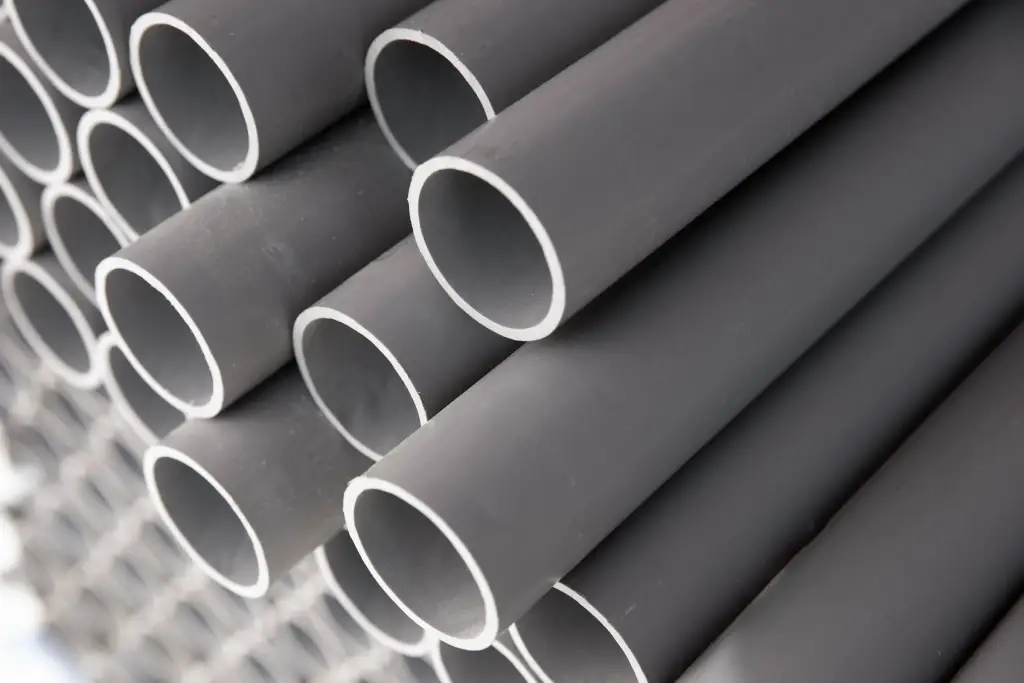
5. Which Pipe Should You Choose for Your Industrial Plant?
✅ Choose UPVC Pipes When:
- Application involves cold or ambient temperature fluids
- Water treatment, effluent treatment, or drainage
- Budget is a primary concern
- Pipes will be installed outdoors with direct sun exposure
- Operating temperature stays below 45°C
- Mild chemicals or clean water service
✅ Choose CPVC Pipes When:
- Process temperature ranges between 50°C to 93°C
- Handling aggressive chemicals or corrosive fluids
- Plant operates in Pharma, Food & Beverage, Chemical, or Power sectors
- High purity and reliability are non-negotiable
- Long-term performance with minimal maintenance is required
- Hot sanitization or CIP/SIP lines
6. Indian Standards & Quality Tips
Always insist on pipes that comply with the relevant Indian and international standards. This ensures material properties are verified, dimensions are consistent, and QA/QC approvals proceed without friction.
📋 Key Standards for UPVC and CPVC Pipes
Reputed Manufacturers to Specify (2026)
- Ashirvad (ALIAXIS) — Authorized distributor: Global Elementum Enterprises LLP
- Astral, Supreme, Finolex, Apollo Pipes, Prince Pipes
7. Best Practices for Selecting Pipes in Industrial Plants
Before finalizing between UPVC and CPVC, evaluate these key factors for every line on your P&ID:
- Maximum operating temperature — include upset/excursion conditions, not just steady state
- Nature of chemicals or fluids — chemical name, concentration, exposure duration
- Operating pressure — confirm pressure rating at maximum operating temperature
- Indoor or outdoor installation — UV exposure affects CPVC significantly
- Expected project lifespan — a 10–15 year design life changes the TCO calculation
- Total installed cost vs long-term maintenance cost — do not optimize only for capex
Need UPVC or CPVC Pipes for Your Project?
We are authorized distributors for Ashirvad UPVC and CPVC pipes in Chennai and South India. Get IS/ASTM compliant material with test certificates and competitive bulk pricing. Our team responds within 2 hours.
8. FAQs — UPVC vs CPVC Pipes in India
📌 Key Takeaways
- UPVC and CPVC are both PVC-based pipes, but CPVC is engineered for higher temperature and more demanding chemical service.
- Temperature is the most critical selection factor — UPVC ≤ 45°C, CPVC ≤ 93°C continuous.
- UPVC costs 35–60% less on purchase; CPVC often wins on total cost of ownership in critical applications.
- Use Indian standards: IS 14735 for UPVC, IS 15778 / ASTM D2846 for CPVC. Always cite these in BOQ.
- Many Indian plants use a hybrid approach — UPVC for cold/drainage, CPVC for hot/chemical circuits.
- Always buy from BIS-certified manufacturers and request material test certificates to avoid duplicate pipe risks.
- Never select pipe based on price alone for critical process lines — the cost of a failure event dwarfs the savings.
9. Conclusion & Next Step
There is no single "best" pipe between UPVC and CPVC. The right choice depends entirely on your process parameters — particularly temperature, chemical exposure, and pressure requirements. For most industrial plants in India:
- Use UPVC for cold water, drainage, and non-critical applications where temperature stays below 45°C.
- Use CPVC for hot water, chemical transfer, and critical process lines where temperature or chemical stress is elevated.
Making the correct decision on UPVC vs CPVC pipes in India can save your plant significant money while ensuring safety, reliability, and long service life.
Ready to Choose the Right Piping System for Your Plant?
Our industrial piping experts have helped more than 180+ plants across India select the most suitable, safe, and cost-effective piping materials. Get your free technical consultation and piping recommendation today.